
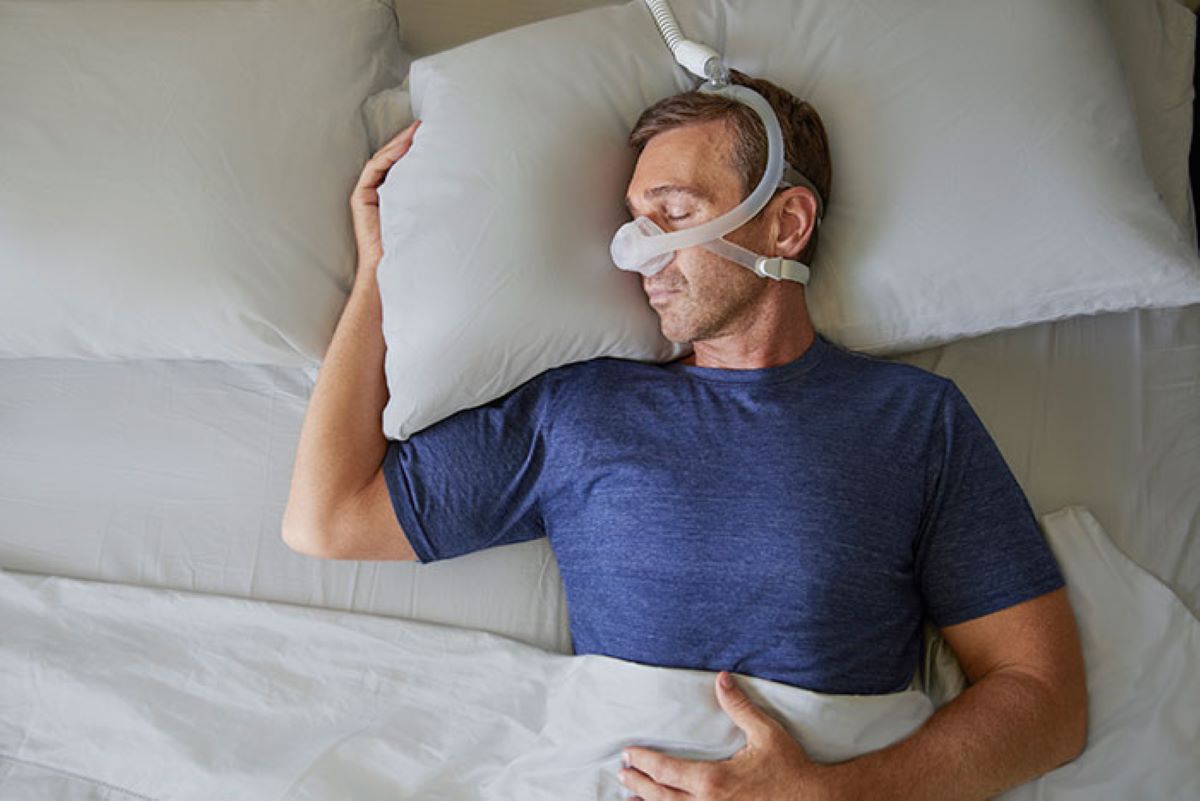
CPAP machine

5 Ways an Oxygen Compressor Supports Respiratory Therapy

5 Ways an Oxygen Compressor Supports Respiratory Therapy

Because needs vary by diagnosis, device type, and location, compressors matter most when they make oxygen delivery more reliable, easier to control, and safer to manage.

How does an oxygen compressor help maintain a consistent oxygen supply?

An oxygen compressor helps stabilize oxygen delivery by providing a dependable source of pressurized gas for downstream equipment. This consistency supports therapy when patients require a predictable flow over time.

In practice, an oxygen compressor reduces interruptions that can occur with depleted cylinders or fluctuating supply conditions. When paired with appropriate storage or delivery systems, it helps clinicians maintain continuous therapy during routine patient care.

How does an oxygen compressor support different oxygen flow requirements?

They can be used to meet a range of flow demands, from lower-flow support to higher-flow scenarios, depending on the system design and clinical setup. That flexibility helps respiratory teams tailor support to the patient’s prescribed requirements.

Because respiratory therapy can shift quickly, a compressor-backed setup can make it easier to adjust delivery without changing the entire oxygen supply method. The goal is a smoother transition when care plans change. Read more about respiratory system.

How does an oxygen compressor integrate with common respiratory therapy equipment?

They typically sit upstream of devices that deliver oxygen to the patient, supporting equipment such as oxygen delivery interfaces and other therapy systems that require stable supply pressure. This integration helps keep therapy predictable and easier to standardize.

When supply is stable, connected devices tend to perform closer to their intended specifications. That reliability matters for teams trying to reduce variability and keep patient support consistent across shifts.

How does an oxygen compressor improve portability and access in non-hospital settings?

They can support oxygen availability in locations where bulk oxygen infrastructure is limited. That makes therapy more accessible in smaller clinics, outpatient settings, and certain home or community care arrangements.

For patients who receive therapy outside major facilities, access is often the main challenge. A compressor-based approach can reduce dependence on frequent cylinder deliveries and help keep oxygen available where it is needed.

How does an oxygen compressor contribute to safer oxygen management?

They support safer workflows by enabling more controlled handling of oxygen supply compared with frequent cylinder changes. Fewer swaps can mean fewer opportunities for connection errors, drops, or storage issues.

Safety still depends on proper installation, maintenance, filtration, and monitoring. When those basics are handled well, a compressor can support cleaner operations and more predictable oxygen delivery for respiratory therapy teams. Click here to get more about 5 things to check before buying CPAP machines online.

What is the takeaway for respiratory therapy teams?

They rely on oxygen delivery that is steady, adaptable, and practical to manage. An oxygen compressor supports respiratory therapy by helping maintain supply consistency, meeting varying flow needs, integrating with equipment, expanding access, and supporting safer handling routines.
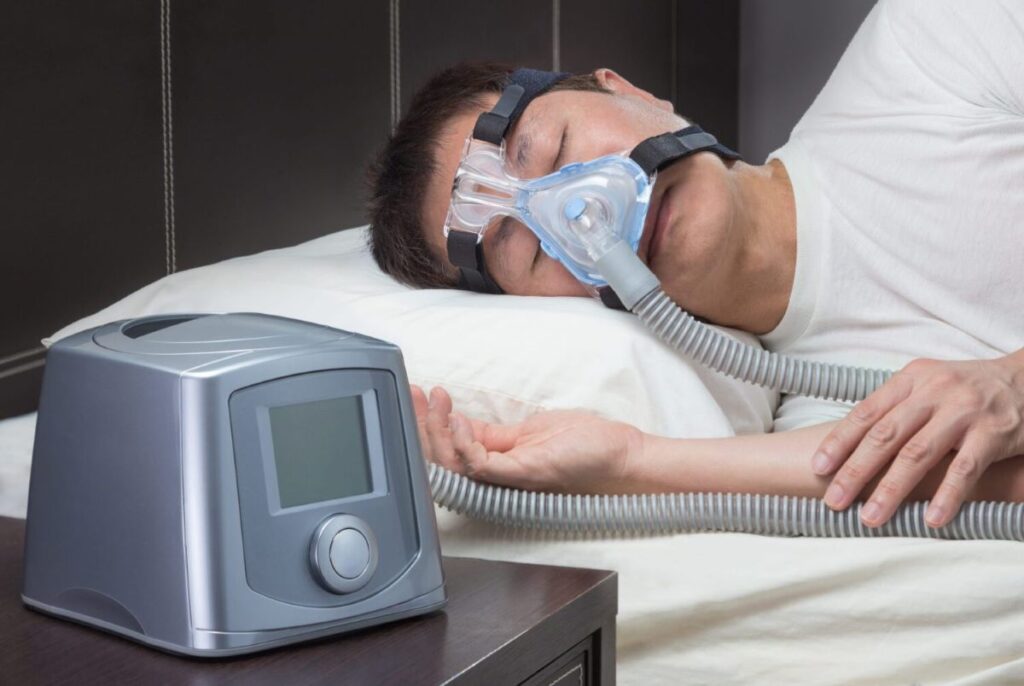
Oxygen Compressor

FAQs (Frequently Asked Questions)

How does an oxygen compressor help maintain a consistent oxygen supply in respiratory therapy?

An oxygen compressor stabilizes oxygen delivery by providing a dependable source of pressurized gas for downstream equipment. This ensures predictable and continuous oxygen flow, reducing interruptions caused by depleted cylinders or fluctuating supply conditions, thereby supporting steady respiratory therapy.

In what ways does an oxygen compressor support varying oxygen flow requirements for patients?

Oxygen compressors can meet a wide range of flow demands, from low to high flow scenarios, depending on system design and clinical setup. This flexibility allows respiratory teams to tailor oxygen delivery to individual patient needs and facilitates smoother transitions when care plans change without overhauling the entire supply method.

How is an oxygen compressor integrated with common respiratory therapy equipment?

Oxygen compressors typically operate upstream of devices that deliver oxygen to patients, such as delivery interfaces and therapy systems requiring stable supply pressure. This integration ensures connected devices perform closer to their intended specifications, reducing variability and maintaining consistent patient support across care shifts.

What role does an oxygen compressor play in improving portability and access to oxygen in non-hospital settings?

Oxygen compressors enable reliable oxygen availability in settings lacking bulk oxygen infrastructure, including smaller clinics, outpatient centers, and home or community care environments. By reducing dependence on frequent cylinder deliveries, compressors make respiratory therapy more accessible outside major facilities where access is often challenging.

How does using an oxygen compressor contribute to safer management of oxygen supplies?

By enabling controlled handling of the oxygen supply and minimizing frequent cylinder changes, oxygen compressors reduce the risks associated with connection errors, drops, or improper storage. When combined with proper installation, maintenance, filtration, and monitoring, compressors support cleaner operations and more predictable oxygen delivery for safer respiratory therapy workflows.

What are the key benefits of using an oxygen compressor for respiratory therapy teams?

Oxygen compressors provide steady and adaptable oxygen delivery that is practical to manage. They help maintain supply consistency, accommodate varying flow requirements, integrate seamlessly with therapy equipment, expand access in diverse care settings, and promote safer handling routines—making them essential tools for effective respiratory therapy.
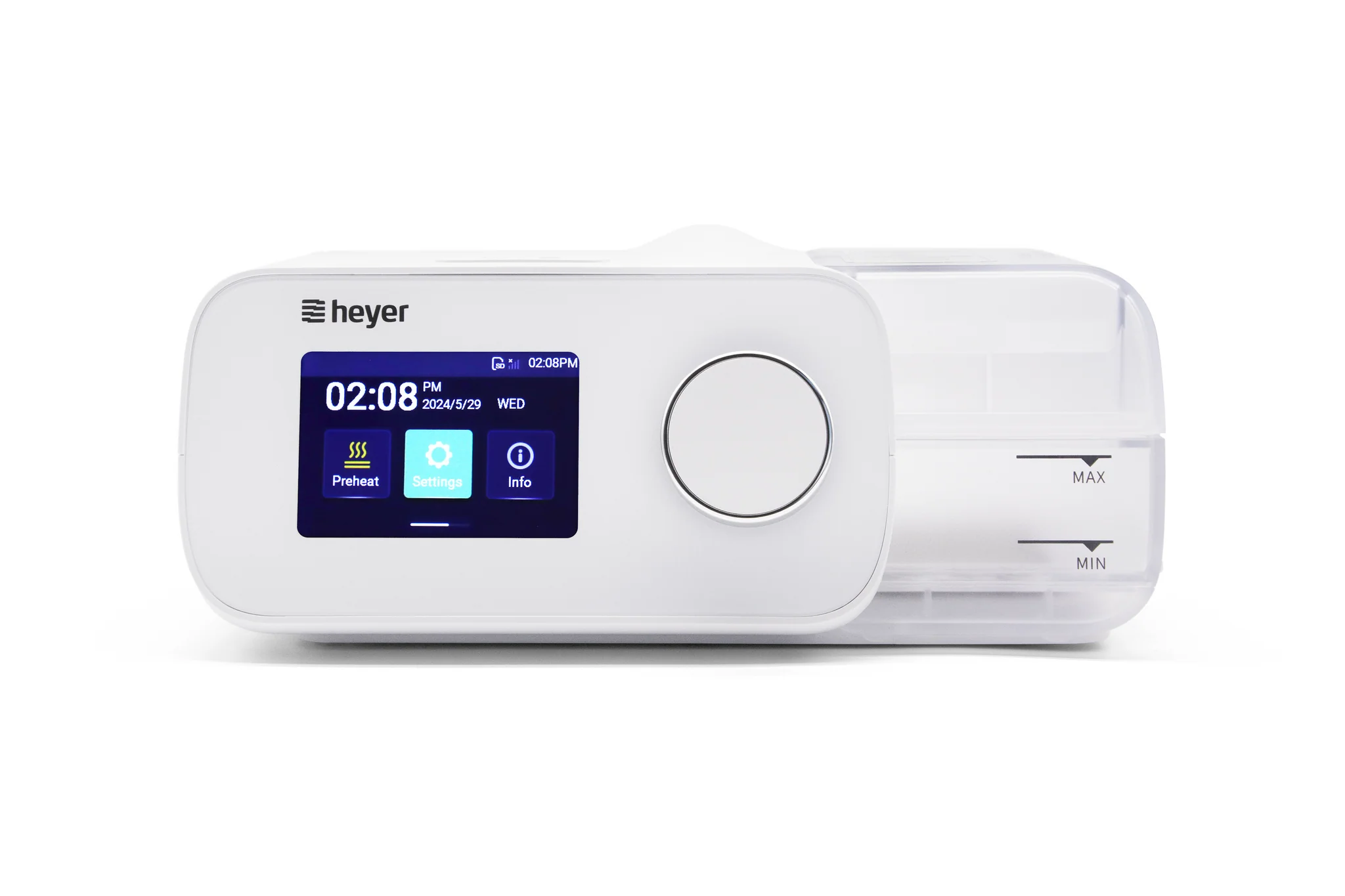
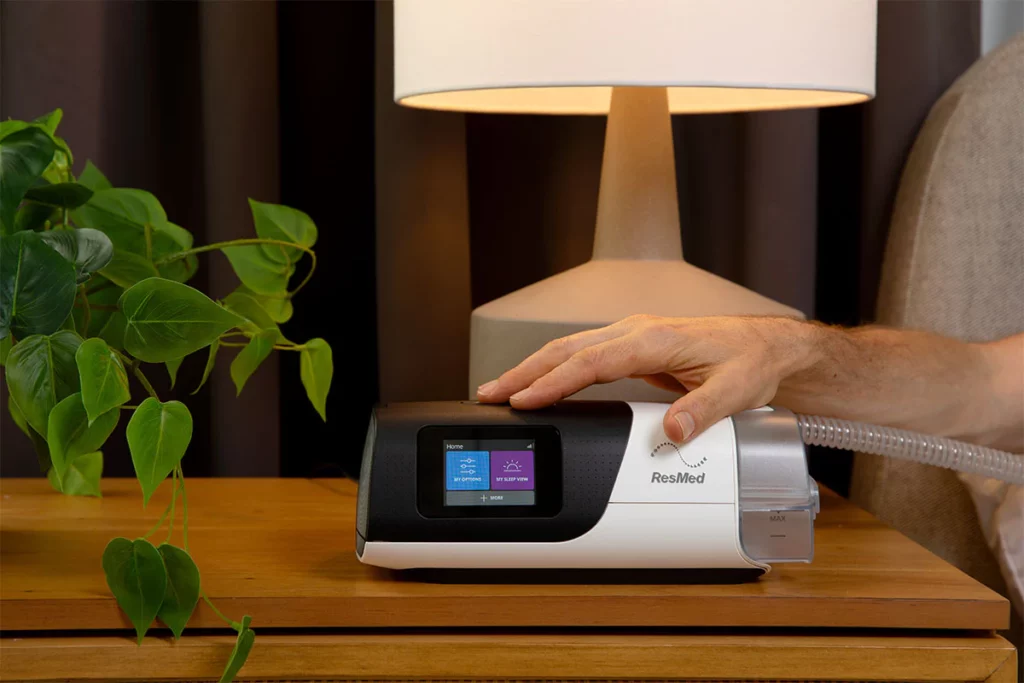
Posted by admin in CPAP machine
5 Things to Check Before Buying CPAP Machines Online

5 Things to Check Before Buying CPAP Machines Online

Below are five things they should verify before clicking “Buy.”

Do they have the right prescription and machine type?

They should confirm they have a valid prescription and that the online listing matches it. In many places, CPAP devices are regulated medical equipment, so reputable sellers will request a prescription.

They also need to match the prescribed machine category:

  • CPAP delivers one fixed pressure.
  • APAP (Auto-CPAP) adjusts pressure automatically within a range.
  • BiPAP/VPAP uses different inhale and exhale pressures and is usually prescribed for specific cases.

If the prescription says APAP or bilevel, buying a basic fixed-pressure CPAP can lead to poor therapy and wasted money.

Is the seller reputable and do they provide real support?

When they’re looking to buy CPAP machine online, it’s important to check who is actually selling the device — not just the marketplace name. The marketplace may only process the payment, while the actual seller handles fulfillment, warranty, and support.

A reliable seller typically provides:

  • Clear contact details (phone, email, and support hours)
  • A physical business address
  • Responsive and knowledgeable customer service

They should also look for:

  • Transparent return policies and warranty handling
  • Detailed product pages that clearly list model numbers and included accessories
  • Customer reviews that mention after-sale support, not just fast shipping
  • A clear process for prescription upload and verification (since CPAP machines require a valid prescription)

If seller support is unclear or difficult to access, it can create problems later — especially when dealing with warranty claims, replacement parts, or setup questions. Choosing a reputable, service-oriented supplier helps ensure long-term reliability and peace of mind.

Is the machine new, used, or “refurbished,” and what is included?

They should verify whether the unit is brand new, open-box, used, or refurbished, and they should not assume accessories are included. Many listings show a full setup photo but ship only the base unit.

They should confirm the package includes what they expect, such as:

  • Humidifier (integrated or attachable)
  • Power supply and travel cord
  • Standard or heated tubing
  • Filter(s)
  • SD card (if needed for data)
  • Carry case

If it is used or refurbished, they should ask for usage hours, refurbishment details, and who performed the refurbishment. They should also confirm whether consumables like masks and tubing are excluded for hygiene reasons.

Other Resources : Philips recall action for CPAP, Bi-Level PAP devices and mechanical ventilators

Does it have the comfort, noise, and data features they actually need?

They should match the features to their real priorities, not the marketing headline. Comfort features can be the difference between sticking with therapy and abandoning it.

Common features to check:

  • Exhalation relief (makes breathing out feel easier)
  • Humidification and optional heated tubing (helps dryness and congestion)
  • Noise rating and real-world user feedback (important for shared bedrooms)
  • Data tracking (basic compliance vs detailed efficacy data like AHI and leak rates)
  • Wireless connectivity and app support (useful for monitoring, not essential for everyone)

If they want to track therapy quality, they should ensure the machine supports detailed data reporting. If the listing is vague about “reporting,” they should confirm what metrics are available.

What is the real total cost over the first year?

The upfront price is only part of the cost. They should estimate the first-year total, including replacements and shipping.

Costs to factor in:

  • Mask (and cushion replacements)
  • Filters (disposable or reusable)
  • Tubing replacements
  • Humidifier chamber replacements
  • Optional heated tubing
  • Warranty or extended protection options
  • Return shipping fees, if applicable

They should also check whether the machine is compatible with commonly available masks and standard tubing sizes. A cheaper machine can become expensive if its parts are proprietary or hard to source locally. Check out more about 5 ways an oxygen compressor supports respiratory therapy.

Conclusion: What should they do before checking out?

They should match the machine to their prescription, verify the seller’s support, confirm condition and included items, double-check comfort and data features, and calculate the first-year ownership cost. Those five checks reduce the risk of buying the wrong CPAP setup and increase the odds they will actually use the therapy consistently.

buy CPAP machine online

FAQs (Frequently Asked Questions)

What should I verify about my prescription before buying a CPAP machine online?

Before purchasing a CPAP machine online, ensure you have a valid prescription and that the device type matches it. Confirm whether your prescription calls for a fixed-pressure CPAP, an Auto-CPAP (APAP) that adjusts pressure automatically, or a BiPAP/VPAP with different inhale and exhale pressures. Buying the wrong type can lead to ineffective therapy and wasted money.

How can I determine if an online CPAP seller is reputable and offers real support?

Check the seller’s actual identity beyond the marketplace name. Reliable sellers provide clear contact details, a physical business address, transparent return policies, warranty handling, and responsive customer service. Look for detailed product pages with model numbers, reviews mentioning after-sale support, and a straightforward prescription upload process.

What should I know about the condition of the CPAP machine when buying online?

Verify if the machine is brand new, open-box, used, or refurbished. Confirm exactly what accessories are included—such as humidifiers, power supplies, tubing, filters, SD cards, and carry cases—as listings may show full setups but ship only the base unit. For used or refurbished units, inquire about usage hours, refurbishment details, and who performed it; also check which consumables are excluded for hygiene.

Which comfort and data features are important to consider in a CPAP machine?

Match features to your personal comfort needs and therapy goals. Important comfort features include exhalation relief to ease breathing out, humidification with optional heated tubing to prevent dryness, low noise levels for shared bedrooms, and data tracking capabilities. For data enthusiasts, confirm if the machine provides detailed efficacy metrics like AHI and leak rates rather than just basic compliance data.

How do I calculate the total first-year cost of owning a CPAP machine purchased online?

Beyond the upfront price, factor in costs for masks and cushion replacements, filters (disposable or reusable), tubing replacements, humidifier chamber replacements, optional heated tubing, warranty or extended protection plans, and potential return shipping fees. Also ensure compatibility with commonly available masks and tubing to avoid costly proprietary parts.

What are the key steps to take before finalizing an online CPAP machine purchase?

Before checking out, match the machine precisely to your prescription type; verify the seller’s reputation and after-sale support; confirm whether the device is new or refurbished along with included accessories; double-check that comfort and data features meet your needs; and calculate all first-year ownership costs. These steps reduce risks of buying unsuitable equipment and increase chances of consistent therapy use.

Posted by admin in CPAP machine